
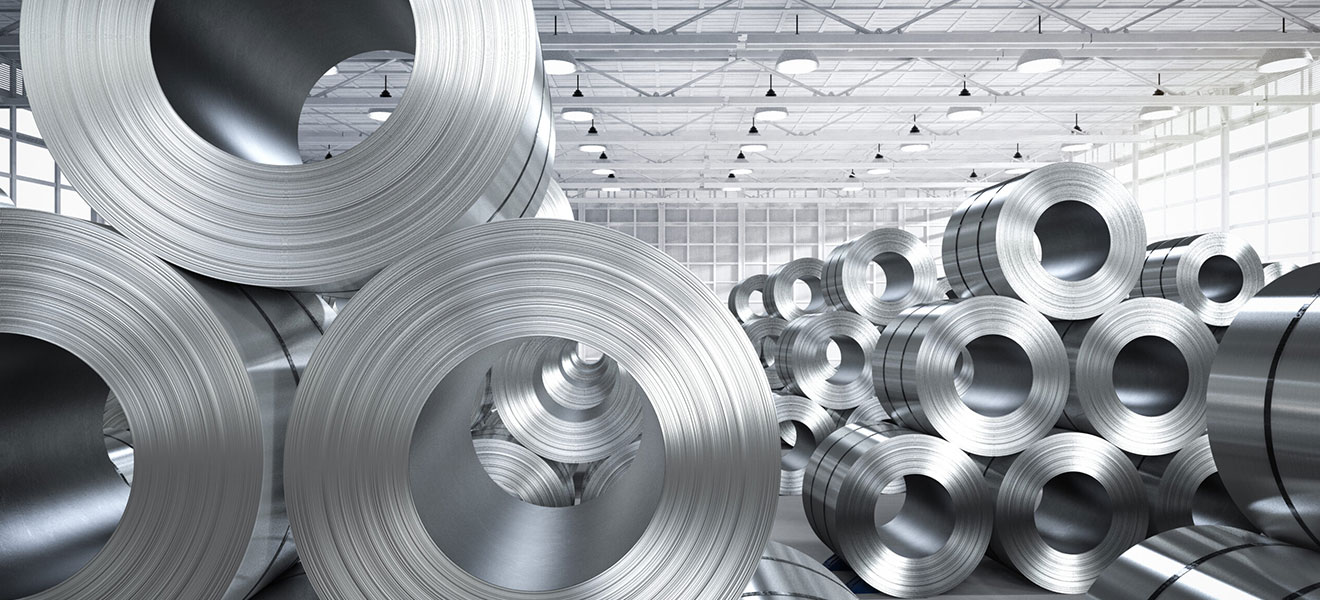
To create an initial protective or passive property against corrosion, a minimum of 11% chromium is added to steel, and to improve corrosion resistance, mechanical properties, and more, other elements are also added. The different effects of these elements on the microstructure give rise to six groups of stainless steel as described below:
Stainless steels (S.S) are classified into two series according to the American Iron and Steel Institute (AISI): series 200-300 and series 400. Each series includes several types of steel with different behaviors.
The primary element in stainless steel is chromium. However, excessive chromium can cause difficulties in manufacturing, forming, and alloy stability.
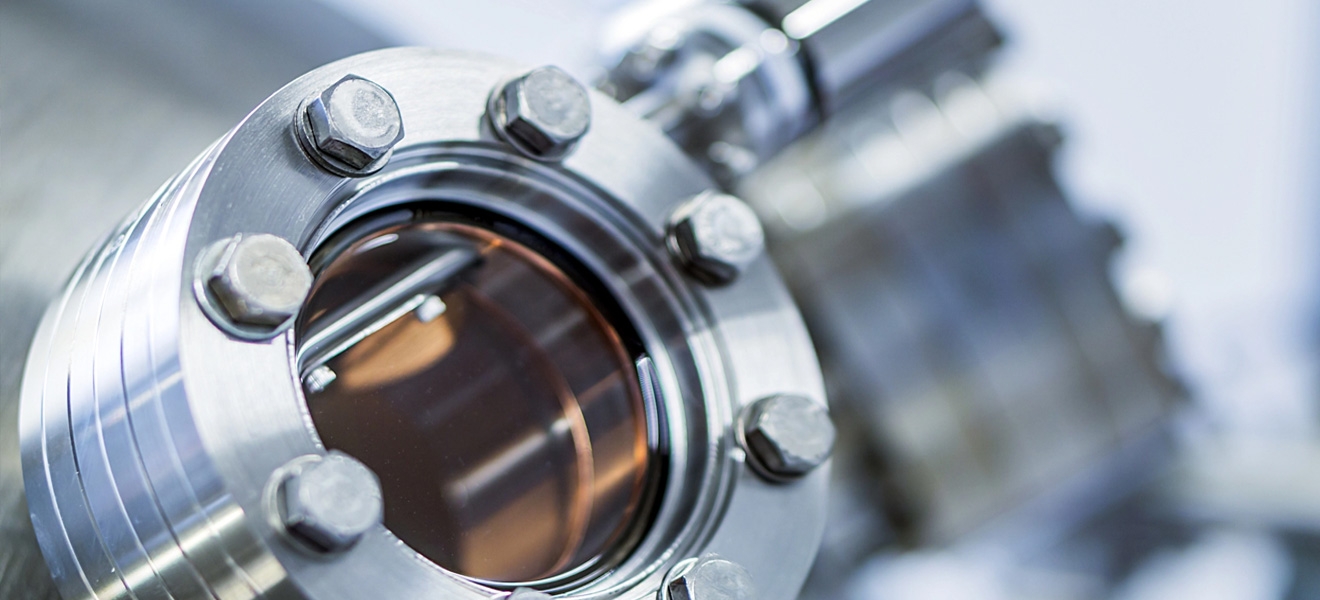
The electro-polishing process is an advanced electrochemical technique used to improve metal surfaces, especially stainless steel. This process is suitable for both parts and sheets, as it effectively removes microscopic surface irregularities and imperfections.
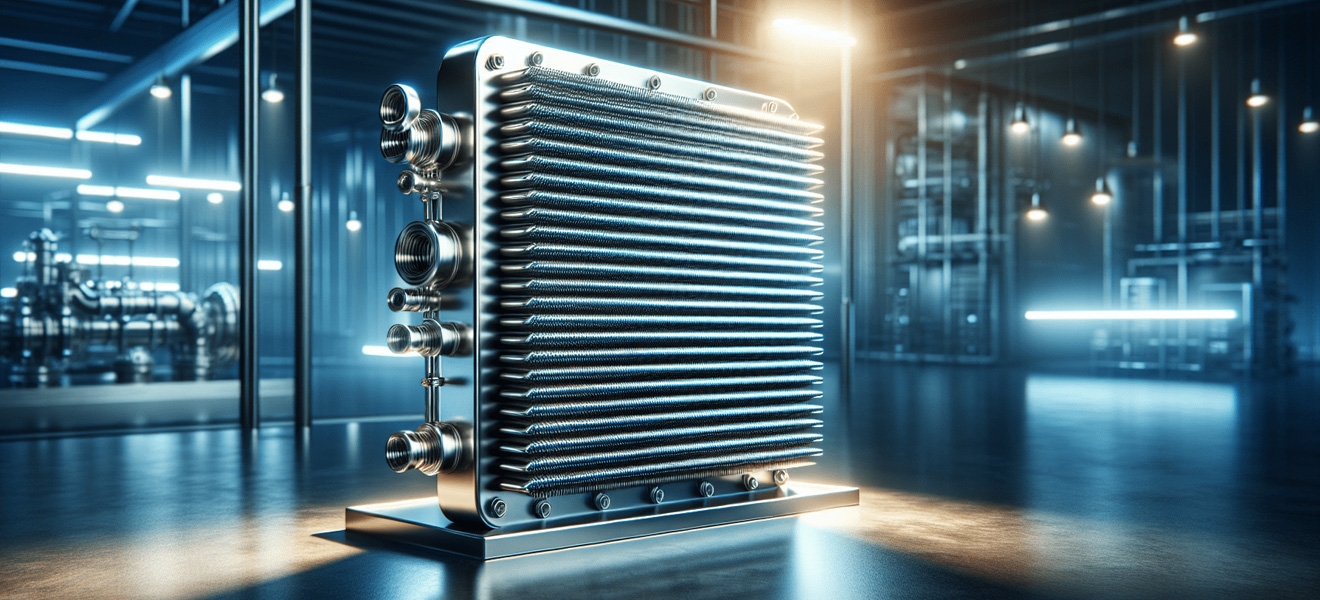
When selecting stainless steel (SS) for the construction of heat exchangers, it is essential to first examine the different categories of these steels. Stainless steels are alloys that contain at least 12% chromium, with or without other alloying elements.