Fabrication of Austenitic Stainless Steels
Austenitic stainless steels are among the most widely used types of stainless steel in various industries due to their mechanical properties and high corrosion resistance. The fabrication processes for this type of steel typically involve drawing, bending, rolling, and pressing.
These steels have high formability and can endure significant cold work, making them suitable for many industrial applications.
Properties and Characteristics of Austenitic Stainless Steels
Austenitic stainless steels work-harden rapidly, meaning that their strength and hardness increase with deformation. Consequently, in many cases, heat treatment is required after shaping to optimize mechanical properties. Additionally, machining these steels can be challenging due to their tendency to work-harden, necessitating the use of robust and precise machinery.
Temperature Range for Hot Working
Hot working of these steels typically occurs within a temperature range of 900°C to 1100°C (1652°F to 2012°F). However, care must be taken as some types of austenitic stainless steels can become sensitive to intergranular corrosion at these temperatures. Therefore, precise temperature control and proper techniques are essential during hot working.
Use of Industrial Furnaces
Electric furnaces are used for heating stainless steels to reduce the formation of oxidized scale. Additionally, gas and oil furnaces are also employed for this purpose. The use of low-sulfur fuels is preferred to minimize sulfur contamination, which can embrittle the material and reduce corrosion resistance. The type of flame is also crucial; a slightly oxidizing flame is favored, as reducing flames can deplete carbon in the steel structure, leading to a decrease in corrosion resistance, while excessively oxidizing flames can cause thick oxide scales to form.
Pickling
Materials that have undergone hot working generally require pickling to remove oxide scales. This process can be performed with suitable acids, such as hydrochloric acid, sulfuric acid, or a mixture of these, either hot or cold, depending on the requirements.
Passivation
To enhance corrosion resistance of stainless steels, the passivation process is employed. In this process, stainless steel parts are immersed in solutions containing nitric acid and oxidizing salts. This removes any iron contamination from the surface and restores corrosion resistance. Austenitic and ferritic grades are typically passivated for 20 to 30 minutes at a temperature of 130°F (55°C) and are then rinsed in warm water. Specific tests are conducted on the steel piece to assess the amount of iron removed, ensuring the effectiveness of the process.
Mechanical Cutting Methods
All stainless steels can be cut using various methods. One common method for cutting larger pieces is utilizing friction saws, which are suitable for sheets and sections with thicknesses greater than 9.5 mm (0.375 inches). In this process, managing heat is critical, as excessive heat can lead to rapid blade degradation and material burning. Additionally, high-speed abrasive discs can be used for cutting tubes and rods to desired thicknesses. Appropriate coolants must be employed in these processes, and they should not contain sulfur, as sulfur can harm the steel.
Gas Cutting Methods
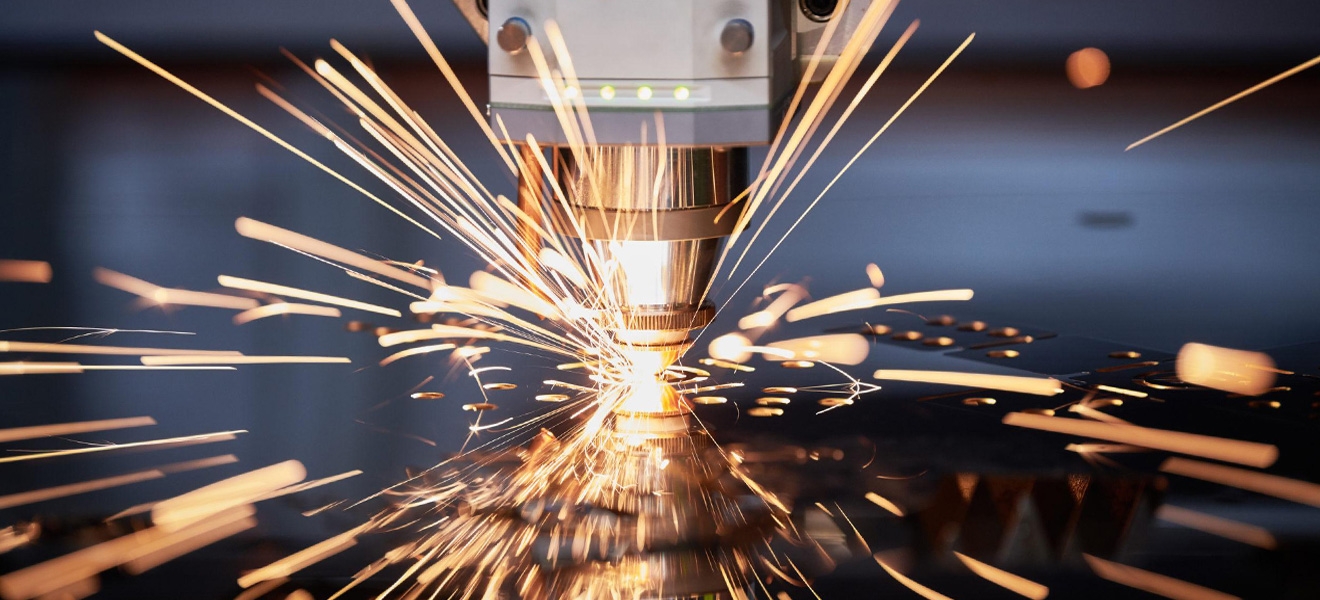
One of the major challenges in fabricating stainless steels is using gas cutting. Stainless steel cannot be effectively cut using standard oxy-acetylene processes because a layer of chromium oxide forms on the surface due to heat, preventing effective cutting. Historically, powder cutting methods were employed, which involved injecting iron powder into the oxy-acetylene flame. This method has drawbacks, including the generation of excessive fumes and contamination of the cut surface with iron powder, requiring significant post-processing. Today, modern techniques like plasma arc cutting have effectively addressed these issues, providing clean and precise cuts.